One of the most frustrating financial experiences is this.
The vehicle is moving.
Work is happening.
Customers are paying.
Money enters.
But somehow nothing remains.
At the end of every week the account looks smaller than expected.
At the end of every month the pressure returns.
To outsiders everything appears functional.
The car is operational.
Trips continue.
Business exists.
But internally the feeling becomes difficult to explain.
How am I working this much and still struggling?
This question appears more often than many people realise.
Vehicle owners frequently assume the issue is low income.
Sometimes income is not the primary problem.
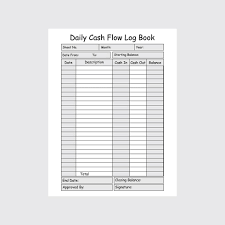
Sometimes the issue is cashflow design.
This distinction matters.
Income measures what comes in.
Cashflow measures what survives.
A vehicle creates movement.
But movement alone does not guarantee retained liquidity.
This becomes especially visible for owners whose vehicles carry financial expectations.
The vehicle must generate income.
Cover fuel.
Support maintenance.
Handle insurance.
Contribute to household expenses.
Meet repayments.
Create savings.
And still remain available tomorrow.
When one asset carries too many jobs, pressure starts quietly.
The first warning sign is usually speed.
Money leaves as quickly as it arrives.
Collections increase but available cash does not.
Daily income begins financing yesterday’s obligations.
The owner becomes dependent on constant activity.
Stopping for even a short period feels impossible.
This is where vehicle ownership changes psychologically.
The vehicle stops feeling like an asset and starts feeling like employment.
It cannot rest.
It cannot fail.
It cannot stop.
Pressure becomes normal.
Another hidden trap appears through operating leakage.
Most owners calculate visible expenses.
Fuel.
Repayments.
Maintenance.
But invisible cash drains quietly expand.
Idle time.
Emergency repairs.
Price fluctuations.
Route inefficiency.
Small daily withdrawals.
Personal spending overlapping business spending.
Collection delays.
Missed maintenance windows.
Each item appears small.
Combined they become structural pressure.
Many owners react by increasing effort.
More hours.
More trips.
More movement.
But additional movement without stronger structure sometimes accelerates the problem.
The vehicle works harder while liquidity becomes weaker.
This creates a dangerous illusion.
The belief that growth alone will solve pressure.
Growth helps.
But structure determines whether growth becomes freedom or exhaustion.
This is why some vehicle owners appear less busy but remain more stable.
They protect liquidity.
They separate business and personal obligations.
They review repayment structures.
They plan for downtime.
They evaluate total operating cost.
They preserve flexibility.
Financial intelligence starts by asking uncomfortable questions.
How much income survives after operations?
If the vehicle stopped for ten days, what happens?
How many commitments depend on one asset?
Which obligations reduce flexibility?
Would restructuring improve breathing room?
Would existing repayments become more sustainable under review?
Would working capital improve if expensive pressure reduced?
These questions matter because financial stress rarely begins dramatically.
It builds through repetition.
Month after month.
Collection after collection.
Expense after expense.
Until activity becomes survival.
The strongest vehicle owners are not always those with the biggest collections.
They are often those who maintain options.
They retain flexibility.
They preserve cash.
They understand that movement and profitability are different outcomes.
A busy vehicle can still produce weak financial results.
A structured vehicle operation can produce stronger results with less pressure.
Nexelium KE believes financial intelligence begins by understanding one important principle.
The goal is not keeping the vehicle moving.
The goal is ensuring movement creates retained value.
Because when the car is working but money is not, the problem is rarely effort.
It is usually structure.